Source Anti Wear Automotive Gear Oil for Industrial, Shock Absorption, Sealing
Find 30 listings for anti wear automotive gear oil suitable for industrial machinery, shock absorption, and sealing applications. Buyers can compare specifications like viscosity grades, base oil types, and certifications from verified suppliers in China; compare the available evidence and request quotations based on your requirements.
Key considerations
Products List




Comprehensive Sourcing Guide
Anti Wear Automotive Gear Oil Sourcing Guide
Procuring anti-wear automotive gear oil requires a disciplined approach to distinguishing between synthetic, bio-based, and mineral formulations. Buyers must first clarify whether the application demands high-pressure hydraulic performance or standard gear lubrication, as the additive packages differ significantly. The observed market includes products labeled with specific viscosity grades such as SAE 15W, 20W, and 5W, alongside model numbers like 68# for high-pressure scenarios. Understanding these distinctions is critical because using a hydraulic oil in a gear box, or vice versa, can lead to premature component failure.
Sourcing decisions should also account for the physical properties and packaging formats available from suppliers. Listings indicate a wide range of packaging options, from small bottles and plastic barrels to large 200-liter steel drums, which impacts logistics and storage costs. Additionally, the base oil type, whether synthetic or bio-based, influences both performance characteristics and environmental compliance. Buyers need to verify if the product is a clear, transparent liquid with specific flash points and pour points to ensure it meets the operational temperature ranges of their specific automotive or industrial machinery.
Product Scope and Observed Listing Signals
The current market landscape for anti-wear gear oils presents a diverse array of product types, including hydraulic oils, engine oils, and specialized gear lubricants. Observed listings frequently highlight applications such as shock absorption, sealing, rust prevention, and cooling, which suggests a multi-functional formulation strategy. Buyers should note that some products are explicitly categorized as industrial lubricants while others target automotive use, creating a potential overlap in terminology. It is essential to cross-reference the stated type with the intended mechanical application to avoid misalignment between the product’s design purpose and the end-use requirements.
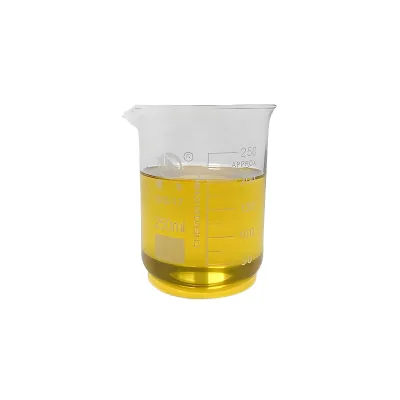
Visual and physical attributes provide additional signals for product identification. Many suppliers describe their gear oils as clear and transparent liquids with densities around 0.8877 kg/L at 20°C. Kinematic viscosity measurements at 40°C and 100°C are commonly provided, with values ranging from approximately 16 Cst to over 160 Cst, indicating different viscosity grades. The presence of additives like viscosity index improvers, friction modifiers, and anti-wear agents is frequently cited. Buyers must verify that these additive packages are compatible with the specific materials and seals used in their target automotive or industrial systems to prevent chemical degradation or seal failure.
Technical Specifications to Verify
Viscosity and thermal stability are the primary technical parameters that dictate gear oil performance. Buyers must verify the kinematic viscosity at both 40°C and 100°C to ensure proper film thickness under operating conditions. The viscosity index, observed in some listings to be around 100.7, indicates how much the oil’s viscosity changes with temperature; a higher index is generally preferred for consistent performance across varying climates. Additionally, the pour point, which can range from -15°C to -30°C, is critical for cold-start reliability. Ensuring the oil remains fluid at low temperatures prevents startup wear and ensures immediate lubrication in cold environments.
Flash point and density are equally important safety and handling specifications. A flash point of 228°C, as noted in some product data, suggests good thermal stability and reduced fire risk during high-temperature operations. Density measurements help in calculating the exact volume-to-weight conversion for inventory management and fuel efficiency calculations in mobile applications. Buyers should also confirm the specific viscosity grade, such as SAE 15W or 20W, to match the manufacturer’s recommendations for their specific gearboxes. Mismatched viscosity can lead to inadequate lubrication or excessive energy loss due to fluid friction.
Compliance and Safety Documentation
Certification standards serve as a primary indicator of product quality and regulatory compliance. Listings often reference SAE, ACEA, and JASO certifications, which are critical for automotive applications. Some products also mention GL-5 or GL-4 standards, which are specific to gear lubricant performance. Buyers must verify that the supplier can provide valid certification documents for the specific batch or product line, as these standards ensure the oil meets rigorous performance criteria for wear protection and gear compatibility. Without proper certification, there is a risk of using substandard products that may void equipment warranties.
Safety data sheets and material safety information are mandatory for handling and storage. Buyers should request detailed documentation that outlines the chemical composition, including the base oil type and specific additive packages. This information is crucial for assessing environmental impact and ensuring compliance with local regulations regarding hazardous materials. Additionally, understanding the product’s flammability and toxicity levels helps in designing safe storage and handling procedures. Proper documentation also aids in emergency response planning, ensuring that personnel know how to handle spills or exposure incidents effectively.
Cost Drivers and Commercial Terms
Pricing in the gear oil market is influenced by the base oil type, additive complexity, and packaging format. Synthetic oils typically command a higher price than mineral or bio-based alternatives due to their superior performance and longer service life. The observed price range is broad, reflecting variations in quality, brand, and volume. Buyers should consider the total cost of ownership, which includes not just the purchase price but also the frequency of oil changes and potential maintenance costs. Higher-quality oils with better anti-wear properties may reduce long-term maintenance expenses despite a higher initial cost.
Minimum order quantities (MOQ) and packaging options significantly impact procurement strategy. Listings show MOQs ranging from small quantities to 15,000 units, catering to both small workshops and large industrial operations. Packaging varies from 2-liter bottles to 200-liter drums, affecting storage space and handling logistics. Buyers should negotiate terms that align with their consumption rates and storage capabilities. Customizable packaging options may be available for larger orders, providing flexibility in distribution and reducing waste. Understanding these commercial terms helps in optimizing inventory levels and cash flow management.
Supplier Qualification and Quality Control
Supplier qualification is a critical step in ensuring the reliability of the supply chain. Buyers should verify the supplier’s origin and manufacturing capabilities, with many products originating from regions like Hebei Province in China. It is important to assess the supplier’s ability to provide consistent quality across batches, as variations in production can lead to performance inconsistencies. Requesting samples for independent testing is a recommended practice to validate the supplier’s claims regarding viscosity, flash point, and additive content. This due diligence helps mitigate the risk of receiving substandard products that could damage equipment.
Quality control processes should be transparent and well-documented. Buyers should inquire about the supplier’s internal testing protocols and quality assurance certifications. A robust quality control system ensures that every batch meets the specified standards before shipment. Additionally, suppliers should provide traceability information, allowing buyers to track the production history of each batch. This level of transparency is essential for maintaining product integrity and addressing any potential issues promptly. Establishing a strong relationship with a qualified supplier ensures a steady supply of high-quality gear oil.
Long-Term Procurement Checks
Long-term procurement success depends on continuous monitoring of product performance and supplier reliability. Buyers should establish a feedback loop with end-users to gather data on oil life, wear rates, and overall performance. This information can be used to refine specifications and negotiate better terms with suppliers. Regular audits of supplier quality control processes and certification status are also necessary to ensure ongoing compliance. Staying informed about industry trends and new product developments helps buyers remain competitive and efficient in their operations.
Adapting to changing regulatory and environmental requirements is another key aspect of long-term procurement. As regulations become stricter, buyers may need to transition to more environmentally friendly formulations, such as bio-based oils. Suppliers who invest in research and development to meet these evolving standards will be better positioned to serve their customers. Buyers should prioritize suppliers who demonstrate a commitment to sustainability and innovation. By maintaining a proactive approach to procurement, buyers can ensure a stable supply of high-quality gear oil that meets both current and future needs.
FAQs
How does anti wear additive content improve automotive gear oil performance?
Anti wear additives form a protective film on metal surfaces, reducing wear on gears and bearings under heavy load and high pressure. Combined with friction modifiers, dispersants, and antioxidants, they help the oil maintain stable lubrication, resist oxidation, and extend service intervals in automotive and industrial gear applications.
What viscosity grades are available for anti wear automotive gear oil?
Listed products include viscosity grades such as SAE 15W, 20W, and 5W, and some hydraulic listings reference a 68 grade. Gear oil products follow GL-5 or GL-4 standards, and specifications can be customized. Confirm the exact viscosity index and kinematic viscosity values with the supplier before ordering.
Which certifications apply to anti wear automotive gear oil products on this page?
Products list certifications including SAE, ACEA, JASO, and in some cases NSF. These indicate compliance with automotive lubricant standards for viscosity classification and performance. Certification coverage varies by product, so verify which certificates apply to the specific grade and packaging you intend to purchase.
Can anti wear automotive gear oil be customized for packaging and formulation?
Yes, customization is available. Packaging options include 20 liter or 200 liter barrels, 200 liter steel drums, bottles, plastic barrels, and iron drums, with some listings offering 2L, 4L, 16L, and 18L formats. Formulation additives such as anti wear agents and friction modifiers can also be discussed with suppliers.
What packing sizes are offered for anti wear automotive gear oil?
Common packing includes 200 liter steel drums, 20 liter and 200 liter barrels, bottles, plastic barrels, and iron drums. Some listings also support 2L, 4L, 16L, and 18L containers, and packing can be customized on request. Choose drum sizes based on your storage capacity and filling equipment.
How does gear oil perform at low temperatures in cold climates?
Listed products show pour points ranging from -15 to -30 degrees Celsius, indicating flow capability at low temperatures. Synthetic and bio-based base oils paired with viscosity index improvers help maintain lubrication across wide temperature ranges. Check the pour point and viscosity index figures for the specific grade you need.
What is the difference between GL-4 and GL-5 gear oil standards?
GL-4 and GL-5 define API performance levels for gear oils, with GL-5 offering a higher level of anti wear protection for severe-duty hypoid gears. GL-4 suits moderate-duty transmissions and axles. Products on this page reference both standards, and specifications can be customized to match your application requirements.
Which applications suit anti wear automotive gear oil beyond vehicle gearboxes?
Besides automotive gearboxes and axles, these oils serve industrial lubrication uses including shock absorption, sealing, rust prevention, cooling, and general lubrication. Synthetic and mineral-based formulations with anti wear additives, dispersants, and antioxidants protect gears, bearings, and hydraulic systems operating under high load conditions.